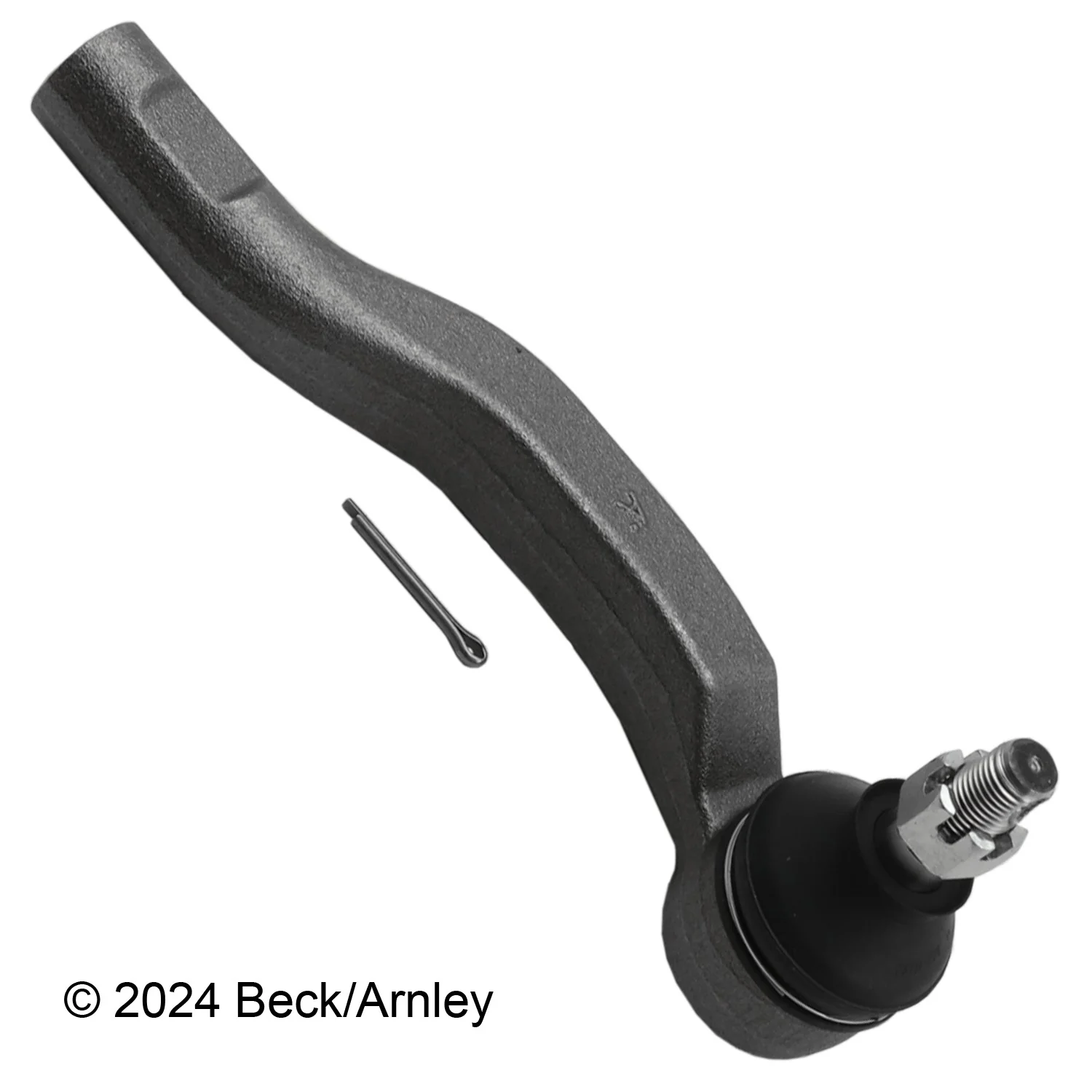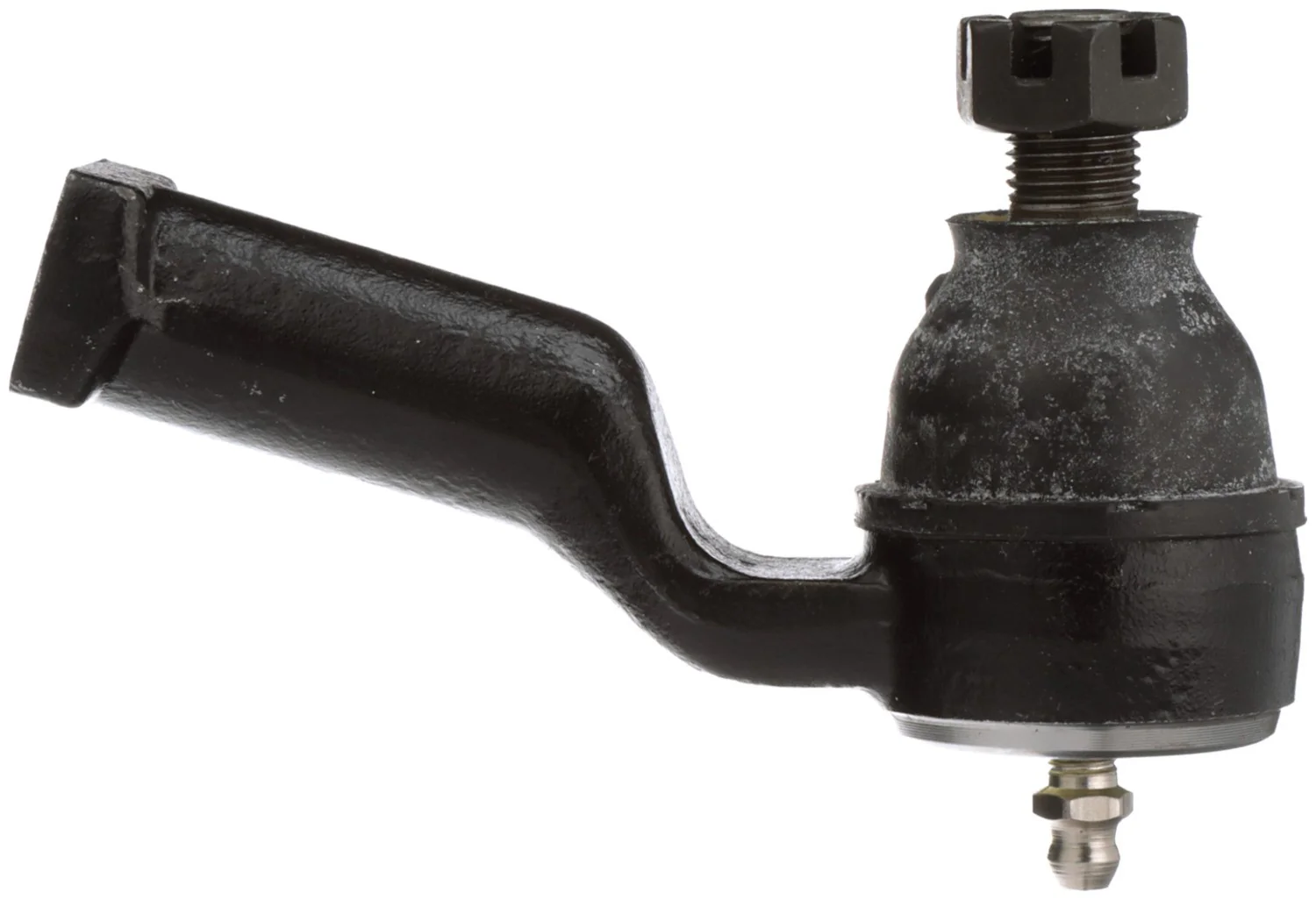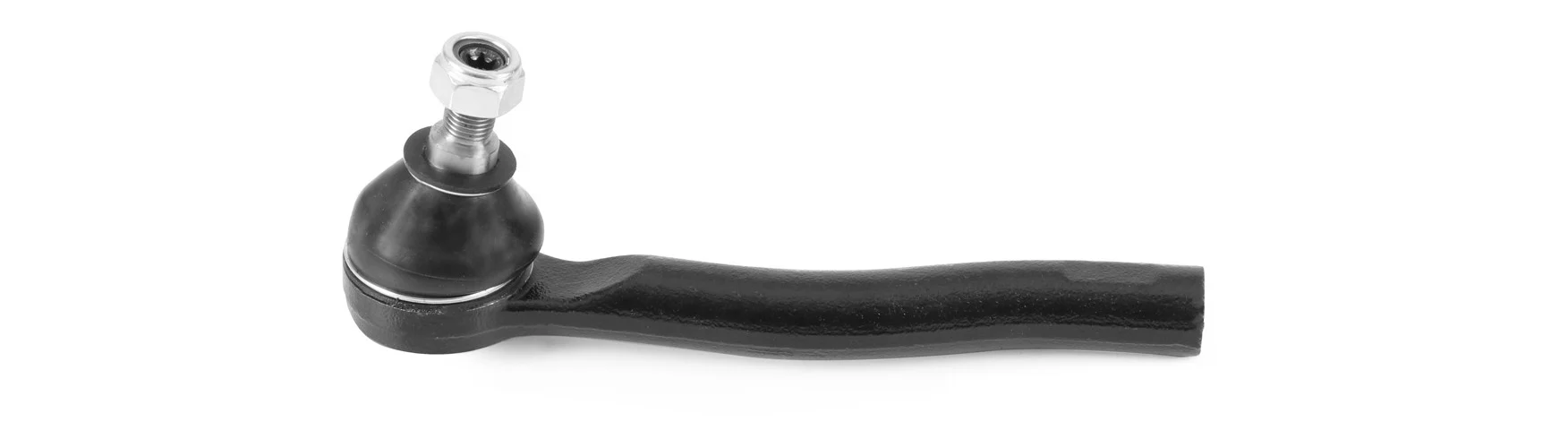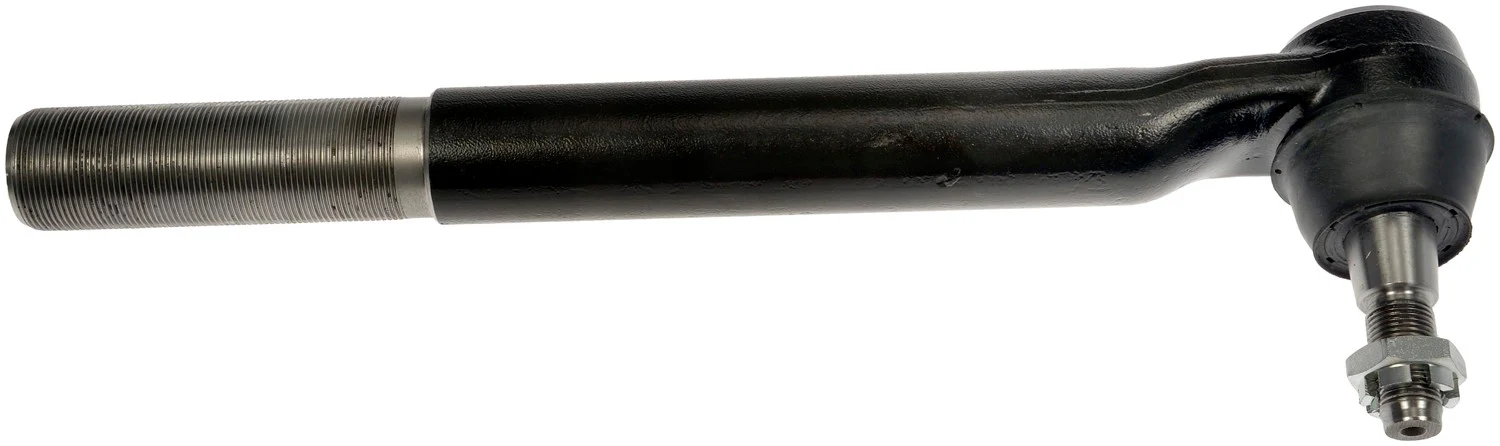
Dorman 544-667 Steering Tie Rod End - Front Left Outer
Dorman 544-667 Steering Tie Rod End
Dorman 544-667 is a straight steering tie rod end built as a direct replacement for the original equipment part on specific vehicle applications. It is engineered for smooth, safe steering response and is a practical choice for restoring precise front-end control on compatible vehicles.
Key Features
- Direct replacement steering tie rod end for OE-style service
- Straight design with male end connections
- Pre-greased for ready-to-install service
- Includes grease fitting and dust boot
- Powder-coated steel housing and steel tie rod construction
- Adjustable design for steering linkage setup
- Standard grade replacement part
- Cross-references MOOG Chassis Products ES801392 and 19153632 for the same application
Detailed Description
This Dorman steering tie rod end, part number 544-667, is made for specific steering applications where an OE-style replacement is needed. It features a taper stud, metal bearing material, polychloroprene dust boot, and a powder-coated finish to support dependable steering linkage service. The straight configuration, left-hand thread on one end and right-hand thread on the other, helps it integrate into the steering system on the vehicles it was engineered for. For buyers searching for a Dorman 544-667 tie rod end or a steering tie rod end for specific make/model applications, this part is built to match the original design intent.
Compatible With select vehicle applications, including fitment-based searches for Dorman 544-667 and steering tie rod end replacement needs on specific make/model listings. Use this part when servicing worn steering linkage components on vehicles that call for this OE-style design.
What It Helps Address
- Loose or imprecise steering feel
- Front-end play caused by worn tie rod components
- Steering noise from deteriorated linkage joints
- Uneven tire wear related to steering geometry issues
- Need for an OE-style steering tie rod end replacement
Installation Notes and Tips
Verify vehicle application by year, make, model, and steering position before installation. Because this part is adjustable, alignment should be checked after replacement to confirm proper toe settings and steering wheel centering. Inspect related steering components, including the mating tie rod and adjacent linkage parts, before returning the vehicle to service.
Quality Assurance
Dorman states that this steering tie rod end has undergone an industry-leading evaluation process to help support smooth and safe operation. Part number 544-667 is built as a standard replacement component for specific applications and is backed by Dorman’s OE-style replacement approach.
Dorman 544-667 Steering Tie Rod End - Front Left Outer
Dorman 544-667 Steering Tie Rod End
Dorman 544-667 is a straight steering tie rod end built as a direct replacement for the original equipment part on specific vehicle applications. It is engineered for smooth, safe steering response and is a practical choice for restoring precise front-end control on compatible vehicles.
Key Features
- Direct replacement steering tie rod end for OE-style service
- Straight design with male end connections
- Pre-greased for ready-to-install service
- Includes grease fitting and dust boot
- Powder-coated steel housing and steel tie rod construction
- Adjustable design for steering linkage setup
- Standard grade replacement part
- Cross-references MOOG Chassis Products ES801392 and 19153632 for the same application
Detailed Description
This Dorman steering tie rod end, part number 544-667, is made for specific steering applications where an OE-style replacement is needed. It features a taper stud, metal bearing material, polychloroprene dust boot, and a powder-coated finish to support dependable steering linkage service. The straight configuration, left-hand thread on one end and right-hand thread on the other, helps it integrate into the steering system on the vehicles it was engineered for. For buyers searching for a Dorman 544-667 tie rod end or a steering tie rod end for specific make/model applications, this part is built to match the original design intent.
Compatible With select vehicle applications, including fitment-based searches for Dorman 544-667 and steering tie rod end replacement needs on specific make/model listings. Use this part when servicing worn steering linkage components on vehicles that call for this OE-style design.
What It Helps Address
- Loose or imprecise steering feel
- Front-end play caused by worn tie rod components
- Steering noise from deteriorated linkage joints
- Uneven tire wear related to steering geometry issues
- Need for an OE-style steering tie rod end replacement
Installation Notes and Tips
Verify vehicle application by year, make, model, and steering position before installation. Because this part is adjustable, alignment should be checked after replacement to confirm proper toe settings and steering wheel centering. Inspect related steering components, including the mating tie rod and adjacent linkage parts, before returning the vehicle to service.
Quality Assurance
Dorman states that this steering tie rod end has undergone an industry-leading evaluation process to help support smooth and safe operation. Part number 544-667 is built as a standard replacement component for specific applications and is backed by Dorman’s OE-style replacement approach.
Product Information
Product Information
Shipping & Returns
Shipping & Returns
Description
Dorman 544-667 Steering Tie Rod End
Dorman 544-667 is a straight steering tie rod end built as a direct replacement for the original equipment part on specific vehicle applications. It is engineered for smooth, safe steering response and is a practical choice for restoring precise front-end control on compatible vehicles.
Key Features
- Direct replacement steering tie rod end for OE-style service
- Straight design with male end connections
- Pre-greased for ready-to-install service
- Includes grease fitting and dust boot
- Powder-coated steel housing and steel tie rod construction
- Adjustable design for steering linkage setup
- Standard grade replacement part
- Cross-references MOOG Chassis Products ES801392 and 19153632 for the same application
Detailed Description
This Dorman steering tie rod end, part number 544-667, is made for specific steering applications where an OE-style replacement is needed. It features a taper stud, metal bearing material, polychloroprene dust boot, and a powder-coated finish to support dependable steering linkage service. The straight configuration, left-hand thread on one end and right-hand thread on the other, helps it integrate into the steering system on the vehicles it was engineered for. For buyers searching for a Dorman 544-667 tie rod end or a steering tie rod end for specific make/model applications, this part is built to match the original design intent.
Compatible With select vehicle applications, including fitment-based searches for Dorman 544-667 and steering tie rod end replacement needs on specific make/model listings. Use this part when servicing worn steering linkage components on vehicles that call for this OE-style design.
What It Helps Address
- Loose or imprecise steering feel
- Front-end play caused by worn tie rod components
- Steering noise from deteriorated linkage joints
- Uneven tire wear related to steering geometry issues
- Need for an OE-style steering tie rod end replacement
Installation Notes and Tips
Verify vehicle application by year, make, model, and steering position before installation. Because this part is adjustable, alignment should be checked after replacement to confirm proper toe settings and steering wheel centering. Inspect related steering components, including the mating tie rod and adjacent linkage parts, before returning the vehicle to service.
Quality Assurance
Dorman states that this steering tie rod end has undergone an industry-leading evaluation process to help support smooth and safe operation. Part number 544-667 is built as a standard replacement component for specific applications and is backed by Dorman’s OE-style replacement approach.